Where Does the Trench Coat Come From?
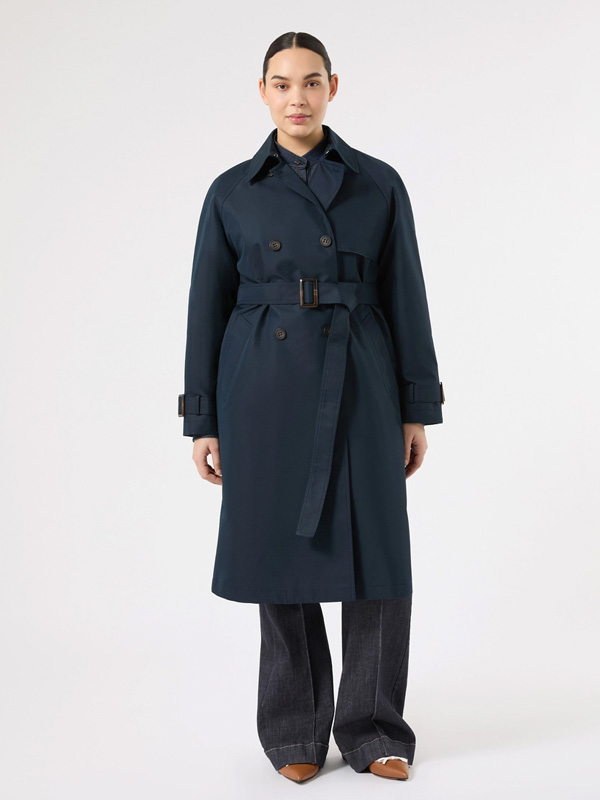
The trench coat originated from British military apparel as outerwear designed to protect against bad weather without restricting movement. Its name refers to the trenches, and several traditional details stem from this purpose: the double-breasted front, belt, and wrist straps.
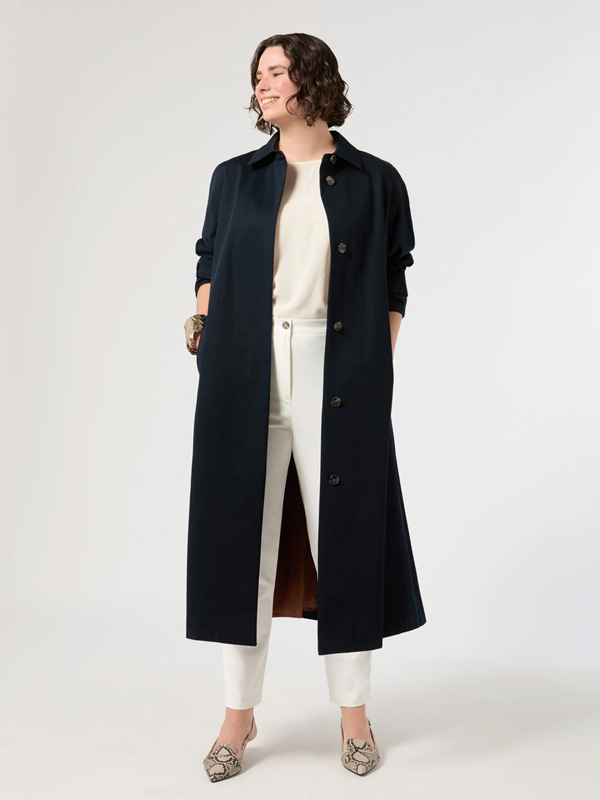
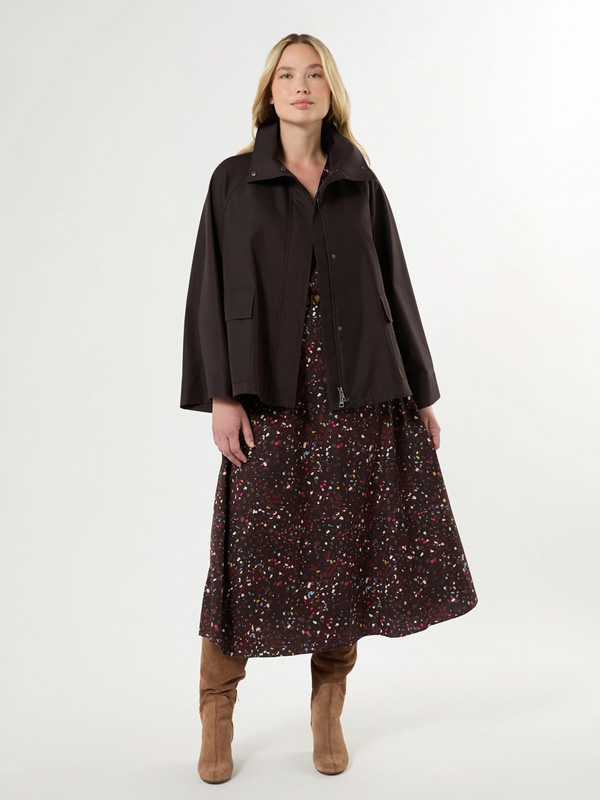
Today, these traditional elements coexist with modern interpretations featuring zips, hoods, and flared lines.
When Should You Wear a Trench Coat?
The trench coat is primarily a mid-season piece of outerwear, ideal when temperatures are mild but protection is needed against cool air or light rain. In spring, it can be worn over a shirt, while in autumn, it accompanies jumpers and knitwear. Water-repellent fabrics are useful on unpredictable weather days, although they do not necessarily guarantee full protection against heavy rain.
In colder months, a trench coat can be worn with adequate layering, but lightweight styles do not replace a padded winter coat.
What is the Difference Between a Trench Coat and a Raincoat?
A trench coat is a type of outerwear traditionally characterized by a double-breasted closure, belt, and structured collar. A raincoat is defined by its primary function of rain protection. A trench coat in water-repellent fabric is not necessarily completely waterproof: protection depends on the material and overall construction.
Qual è la differenza tra trench e impermeabile?
Il trench è una tipologia di capospalla tradizionalmente caratterizzata da doppiopetto, cintura e collo strutturato. L'impermeabile è invece definito dalla funzione di protezione dalla pioggia. Un trench in tessuto antigoccia non è necessariamente completamente impermeabile: la protezione dipende dal materiale e dalla costruzione.